Our producers’ wines reflect the authenticity and excellence that comes from generations of experience in the vineyard and in the cellar, together with an unwavering focus on quality.

Archive

Home (Page 31)

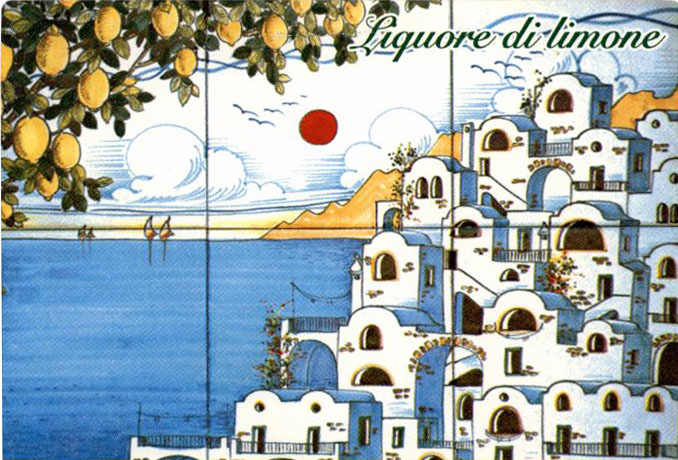
One thousand years ago, Amalfi lemons were already being cultivated.  These lemons are called "Sfusato Amalfitano" because of their particularly tapered shape.  They are wonderfully perfumed, bright yellow and have a thick porous peel.  The Amalfi Coast is famous for its terraced lemon orchards framing

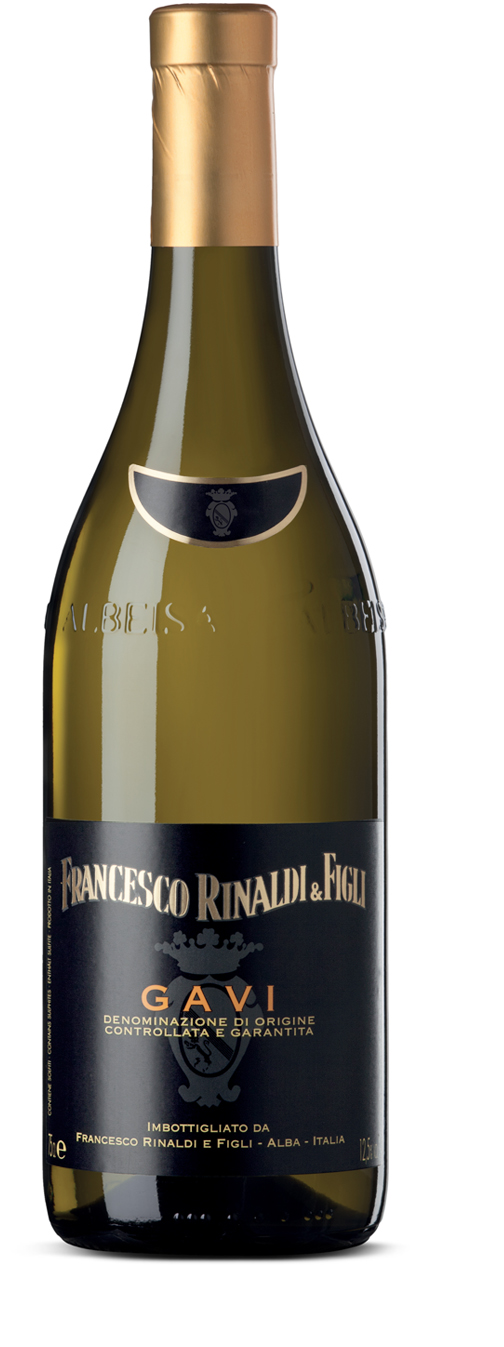
Gavi was one of the first Italian white wines to gain an international reputation. It is also known as Cortese di Gavi, because it is made exclusively from the Cortese grape. The wine was awarded DOC status in 1974 and elevated to DOCG in 1998.

Caricante by itself makes a very bright, crisp wine. Catarratto adds fruit roundness and body. The result is a refreshing blend offering a plethora of citrus character ranging from lime to grapefruit to orange backed up by cooling herbal notes. These native grapes bring a

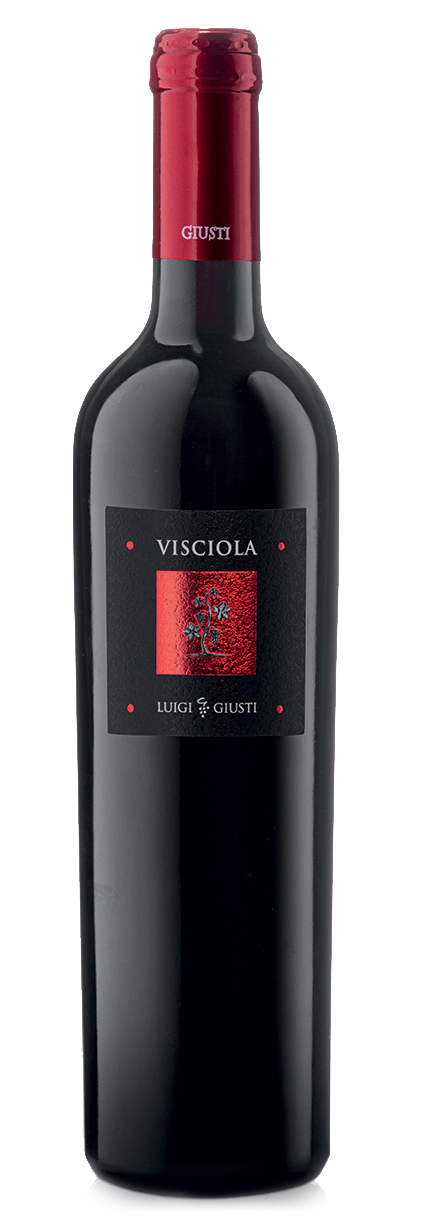
Luigi Giusti Visciola carries on a centuries-old Marche tradition of making dessert wine with cherries. The production is actually quite complicated. Two varieties of cherries are processed separately with half being dried in the sun for 40 days. Wine from the current vintage of Lacrima

Appellation: Terre Siciliane IGT Type: Red, dry Blend: Old head trained vines. Indigenous varietals: Nerello Mascalese, Cappuccio, Nocera, and a small fraction of Acitana, Galatena, Jacché, and Cor ’e Palumba.

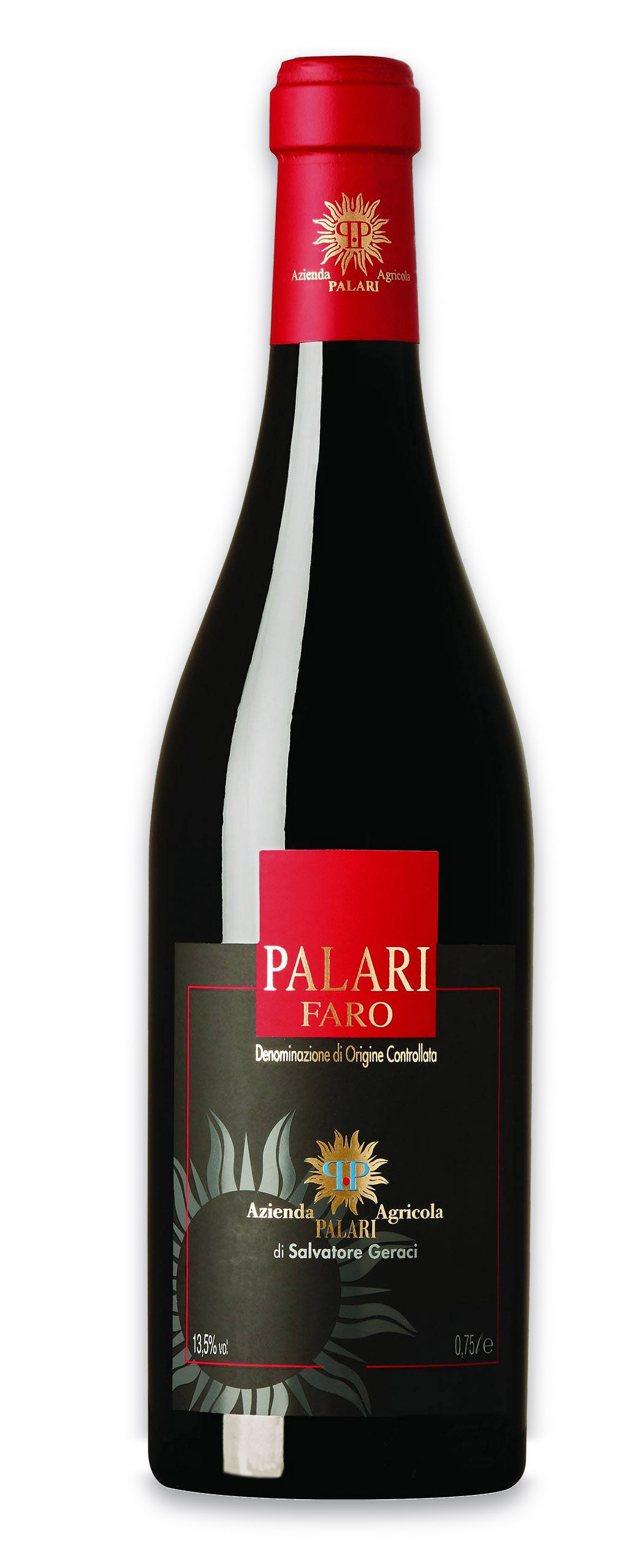
Appellation:  Faro DOC Type:  Red, dry Blend: Old head trained vines. Indigenous varietals: Nerello Mascalese, Cappuccio, Nocera, and a small fraction of Acitana, Galatena, Jacché, and Cor ’e Palumba.

Kurni is produced from 36 acres of vines in sandy soils on south-facing slopes. Head-trained (alberello) vines are so drastically pruned in winter that green harvests during the growing season are never necessary—the vines produce only a tiny fraction of the maximum yields legally permitted in

Kupra is a light and lean wine sourced from about 3 acres of century-old vines locally called Lu Bordõ, which genetic testing shows to be in the Grenache type. Also known as Cannonau on the Italian island of Sardinia, it is believed Sardinian shepherds who