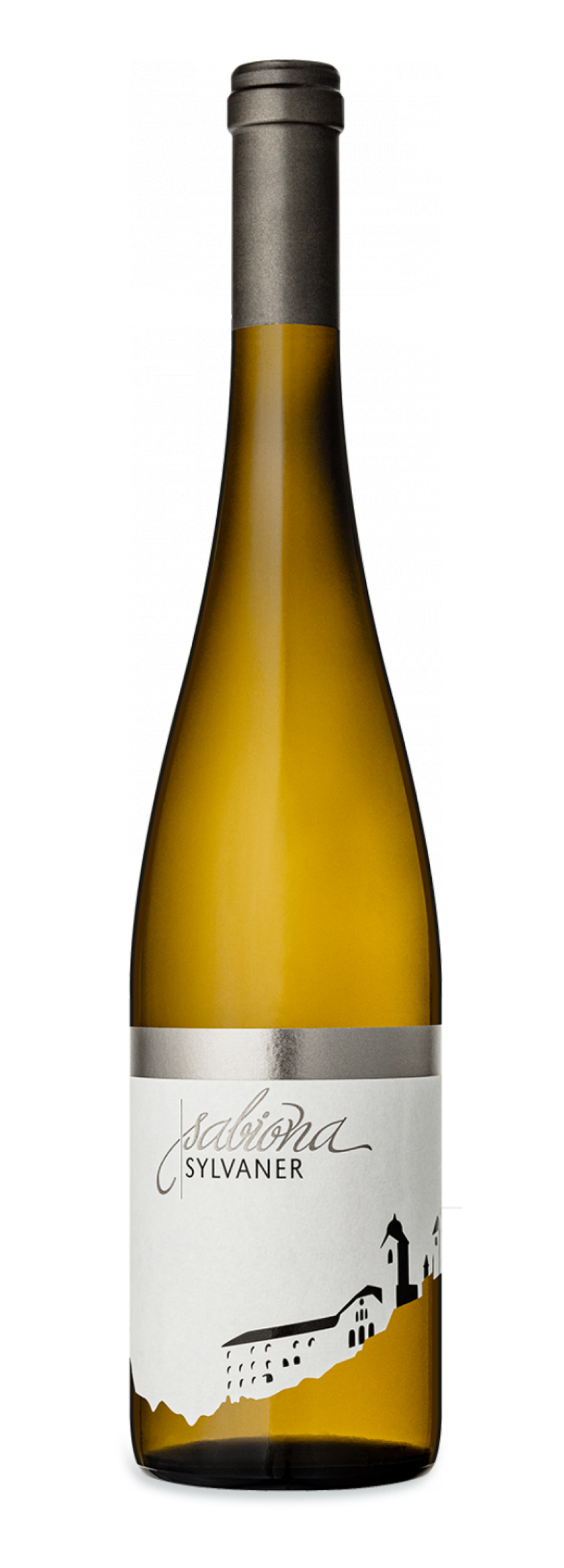
Sylvaner “Sabiona”
Sylvaner Sabiona is made from select grapes from tiny vineyards within the walls of the Sabiona Monastery. Appellation: Alto Adige Valle Isarco DOC Type: White, dry Varietal: 100% Sylvaner
Read More
Sylvaner Sabiona is made from select grapes from tiny vineyards within the walls of the Sabiona Monastery. Appellation: Alto Adige Valle Isarco DOC Type: White, dry Varietal: 100% Sylvaner
Read More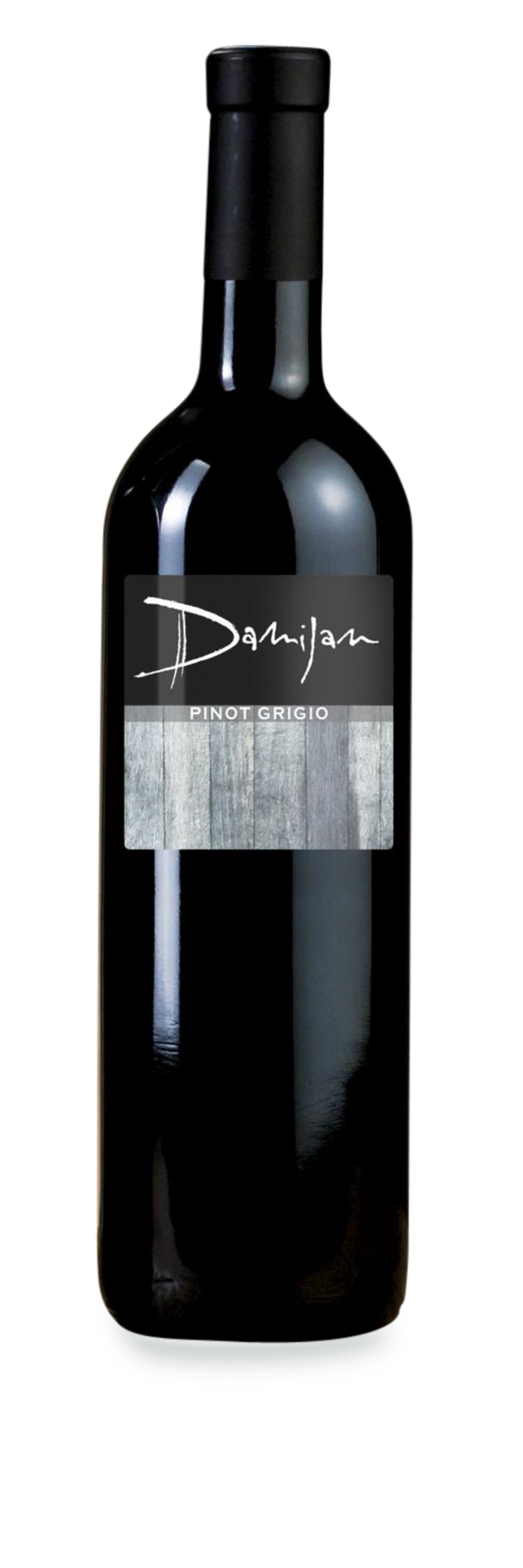
When Pinot Grigio grapes are crushed and the grape skins are left in contact it creates a distinct wine style called ramato. The name comes from the word ‘rame’ which means ‘copper’ in Italian. Appellation: Venezia Giulia Pinot Grigio IGT Region: Friuli Venezia Giulia Type: Skin contact wine, sometimes
Read More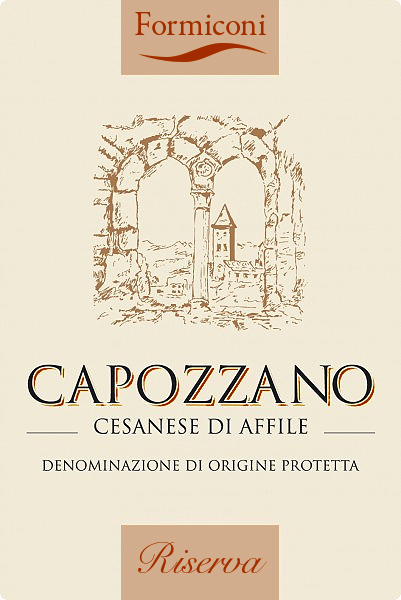
“Capozzano” is the named place of the vineyards that yield the grapes that give life to this wine. In this area their is a considerable diurnal shift that imparts in the fruit the delicacy and softness that you can find in your glasses. Appellation: Cesanese di
Read More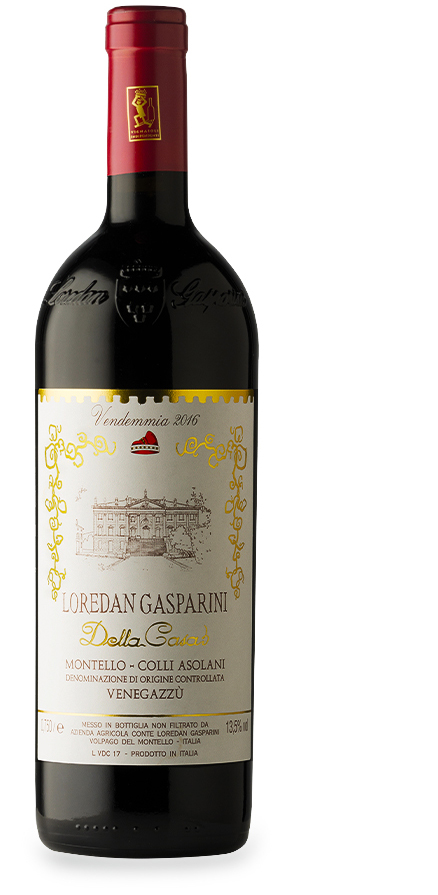
This wine holds a special place in the history of the red wines of Montello and also of Italy. It was one of the first examples of Cabernet and Merlot blends made in Italy after WWII. At that time, Count Loredan had begun to think
Read More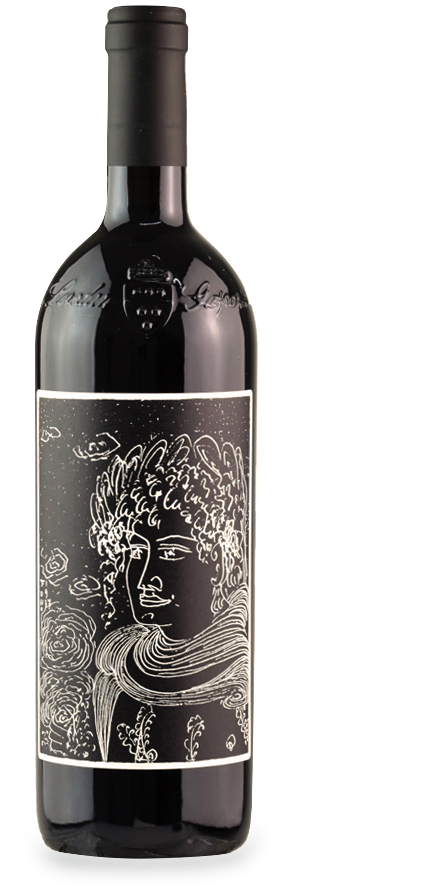
“Capo di Stato” was born in the historical “100 plants” vineyard, from Cabernet Sauvignon, Merlot, Cabernet Franc and Malbec grapes, where Montello’s microclimate (North of Venice) gives it a strong personality. Count Loredan, after several years of production of high quality wines, decided to make a
Read More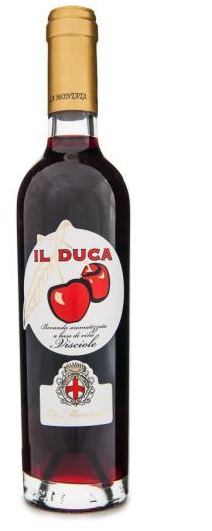
Il Duca is processed using a unique, low temperature recipe that “enhances the aromas of the drink and delights the palate.” Visciole cherries are a close relative of the sweet cherries with which most Americans are familiar. The popularity of the juice of the Visciole is
Read More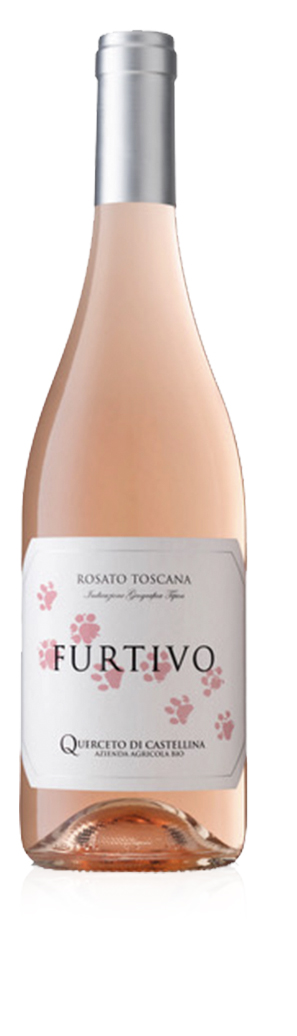
Appellation: Rosato Toscana IGT Region: Toscana Type: Rosé, dry Varietal: 100% Sangiovese Certified Organic
Read More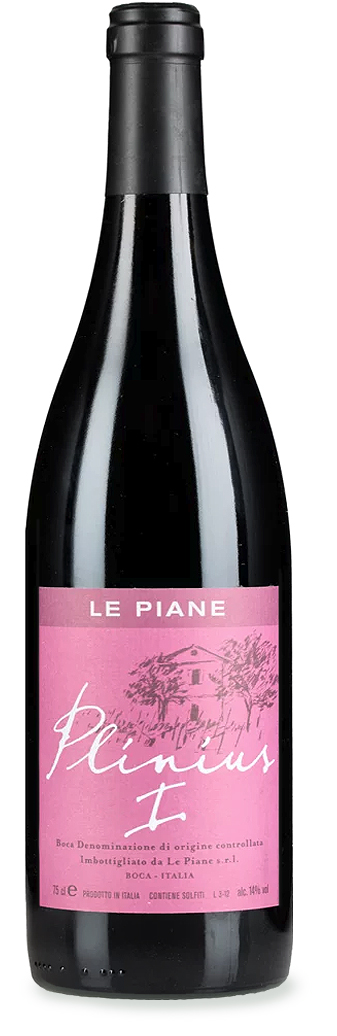
Plinius was born of an accidental circumstance: a batch of Nebbiolo for Boca had been fermented in an open steel tank. But it was an insulated tank: after 4-5 days of fermentation, the temperatures were sky-high and continued to rise, the musts had gone crazy
Read More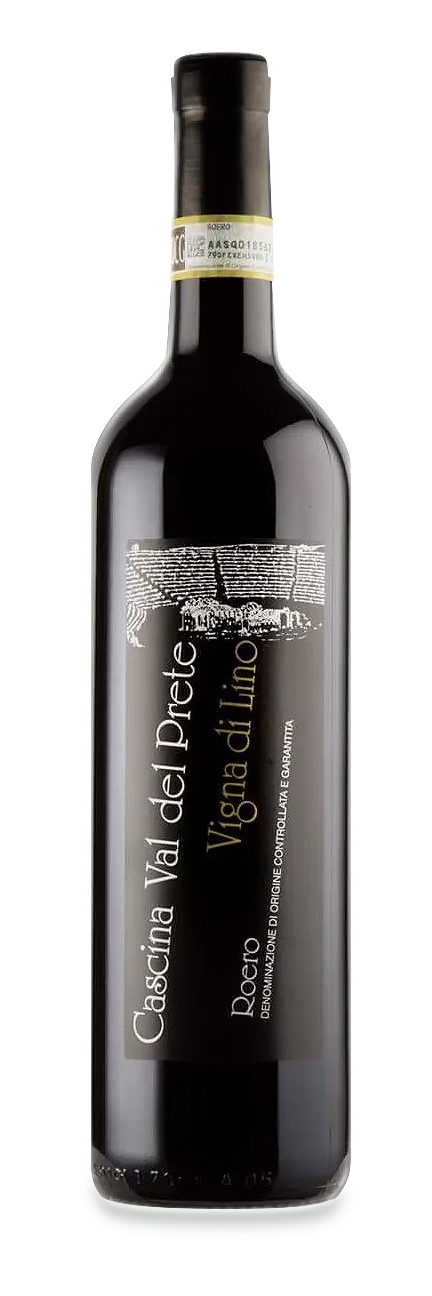
Appellation: Roero DOCG Type: Red, dry Varietal: 100% Nebbiolo Certified Organic
Read More