

Our producers’ wines reflect the authenticity and excellence that comes from generations of experience in the vineyard and in the cellar, together with an unwavering focus on quality.

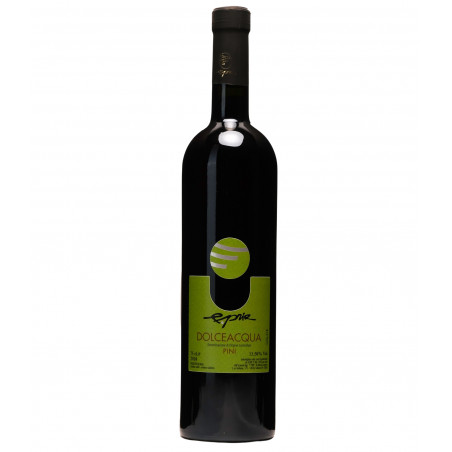
Rossese di Dolceacqua Pini

The ancient Ai Pini parcel above Soldano has been clinging to its Roman-built terraces of marl and schist for over 25 centuries. Lorenzo Anfosso, who started making wine at 18, farms it by hand, on slopes too steep for anything with an engine. From his tiniest, oldest vines he holds back just a few hundred cases for this — his most singular wine.

In the glass, it’s like the Italian Riviera distilled: light, luminous, and alive with wild red cherry, rose petals, garrigue, sea salt, and an ancient mineral depth.

Appellation: Rossese di Dolceacqua DOC

Type: Red, dry

Blend: 100% Rossese (Tibouren), AI Pini Cru

Wine Details:

Tasting Notes:
Color: Luminous ruby red with violet highlights, delicate and translucent in the glass.
Bouquet: Intensely perfumed and complex — wild red cherry, dried rose petal, garrigue, sea breeze, iron-laced minerality, and a beguiling savory depth from the oldest vines.
Palate: Ethereally light-bodied yet surprisingly structured, with silky tannins, vivid acidity, and a long, mineral-driven finish. Notes of wild strawberry, crushed stone, dried herbs, and a whisper of the Mediterranean linger beautifully.
Alcohol: 13.5%
Serving Temperature: Chilled 14-16° C (57-61° F)
Food Pairing: brothy fish stew, pasta alle vongole, or grilled branzino with capers and fresh herbs. Its silky tannins and savory minerality also make it a natural match for rabbit, game birds, and aged local cheeses — always served with a slight chill.

Vinyard Notes:
Vineyard Age and Yield: 32-year old vines; 60 hl/ha; hand-harvested.
Elevation: 250-300 meters abvove sea level.
Soil: Marl and schist terraces.
Farming Practices: Sustainable agriculture.

Winemaking Notes:
Harvest: from the oldest Ai Pini parcels are harvested entirely by hand in small crates, with strict selection in the vineyard.
Vinification: fermentation in stainless steel with careful temperature management.
Aging: fine lees to develop texture and depth while preserving the wine's signature freshness, salinity, and aromatic lift.