

Our producers’ wines reflect the authenticity and excellence that comes from generations of experience in the vineyard and in the cellar, together with an unwavering focus on quality.

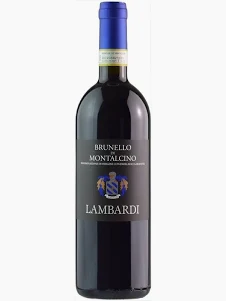
Brunello di Montalcino

From a northeast-facing slope in the heart of Montalcino at Canalicchio di Sotto — land once belonging to the legendary Biondi-Santi estate — Maurizio Lambardi and winemaker Silvia Cennini craft one of Montalcino’s most quietly compelling Brunellos. Less than 9,000 bottles are produced annually.

100% Sangiovese from vines planted in clay and volcanic soils, harvested later than nearly everyone else on the hill, this is Brunello the way it was meant to be — earthy and aromatic on the nose, with bright wild cherry, fennel, sage, iron, and dried flowers, then firm, noble tannins and a finish that goes on and on.

Appellation: Brunello di Montalcino DOCG

Type: Red, dry

Varietal: 100% Sangiovese Grosso

Wine Details:

Tasting Notes:
Color: Deep ruby red with garnet reflections.
Bouquet: Earthy and complex — wild cherry, fennel, sage, dried flowers, iron, and subtle tobacco and leather with age.
Palate: Full-bodied with firm, noble tannins and vivid acidity. Flavors of black cherry, dried herbs, earth, and licorice carry through to a long, structured finish with excellent aging potential.
Total Acidity: 5.80 g/L.
Alcohol: 14.5%
Food Pairing: Braised wild boar, bistecca alla Fiorentina, slow-roasted lamb, and aged Pecorino are all natural matches. Its firm tannins and bright acidity also make it a compelling choice alongside rich pasta dishes with game ragù or hearty mushroom preparations.

Vinyard Notes:
Production Area: Canalicchio di Sotto, Montalcino
Vineyard Age: The vines are between  25–43 years old.
Elevation: 300 meters above sea level.
Exposure: Northeast-facing
Soil: Clay and volcanic rock
Training system: Trained in bilateral cordons at low density
 

Winemaking Notes:
Harvest:  Late September — later than most
Vinification: Destemming, fermentation in stainless steel with natural yeasts, and extended maceration.
Aging: Aging takes place in large Slavonian oak casks, followed by bottle aging before release.