Our producers’ wines reflect the authenticity and excellence that comes from generations of experience in the vineyard and in the cellar, together with an unwavering focus on quality.

Archive

Home (Page 37)

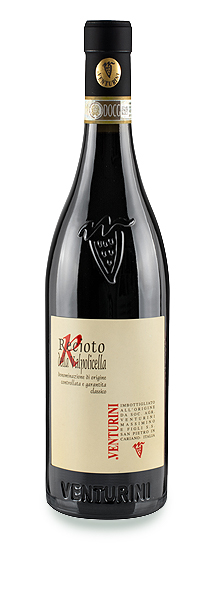
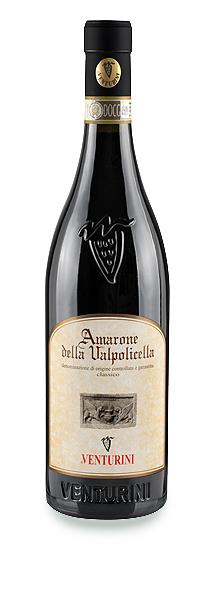
The “Amarone” style dates back to the 8th/10th Century when it became necessary to label the wine produced with dried grapes. The label on this wine shows an effigy that decorates an ancient Romanesque church located near our cellar. It depicts two winged lions guarding

The name “Recioto” comes from the Venetian word “recia” which means “ear.” It refers to the small off-shoots or side bunches crowning the main vine. These are high-quality, choice grapes which handle the drying very well. Appellation: Recioto della Valpolicella Classico DOCG Type: Red, recioto, sweet and

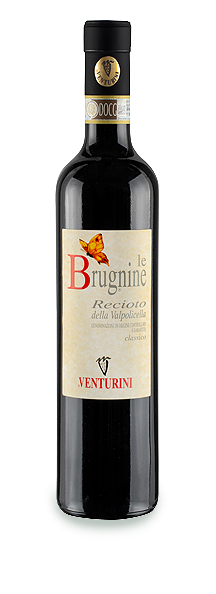
“Le Brugnine” matures at length in small French barriques that give the wine muted accents of sweet spices, rendering it rich and intense. A very special treat to conclude a festive occasion. A meditative, sweet and savory wine made from the best dried grapes of

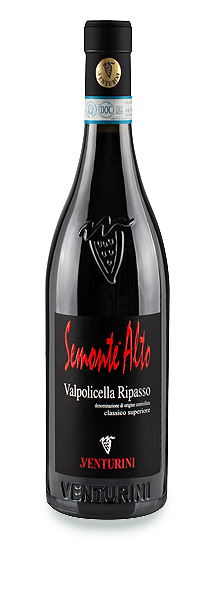
Semonte Alto is a vineyard which produces a full-bodied red wine, with a rich, concentrated flavor and an intense and distinctive bouquet.  In the traditional technique “Ripasso” the Valpolicella Superiore wine already obtained in the grape harvest is re-fermented by running it over the pomace of leftover

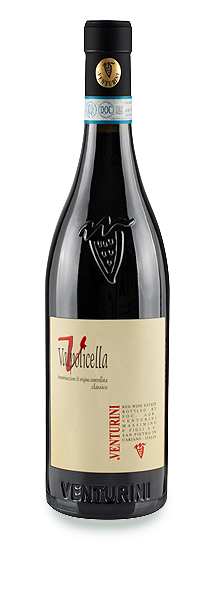
Valpolicella is an outstanding red wine made from grapes grown in the foothills of the Alps to the north of Verona. This wine, made in a traditional way, and is an easy to drink, medium bodied wine. Appellation:  Valpolicella Classico DOC Type: Red, dry Blend: Corvina, Molinara and

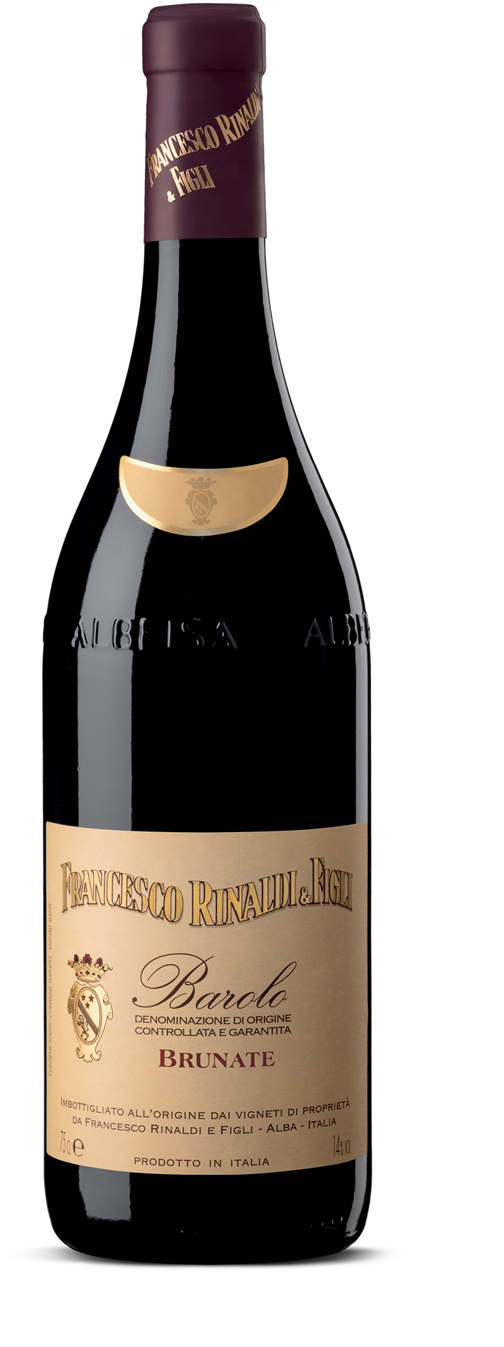
This wine comes from the vineyards of “Le Brunate”. The Brunate Cru lies in the villages of Barolo and La Morra, facing south-east. Here you can find the old farmhouse ‘La Brunata’ that has been part of the winery since the early days. This is

The Rinaldi winery sits atop the Cannubi hill in the heart of Barolo. The Cannubbio vineyards yield a Barolo with prominent tannins and a bit more mushroom and earth than other Barolos. It reaches its prime more slowly and it is a good candidate for

Because of its historical significance, and with special permission , this wine is allowed to be vinified outside of the DOCG zone in the Rinaldi winery in Barolo. In 1966 Barbaresco became a DOC, and was finally awarded DOCG status in 1980. The production of

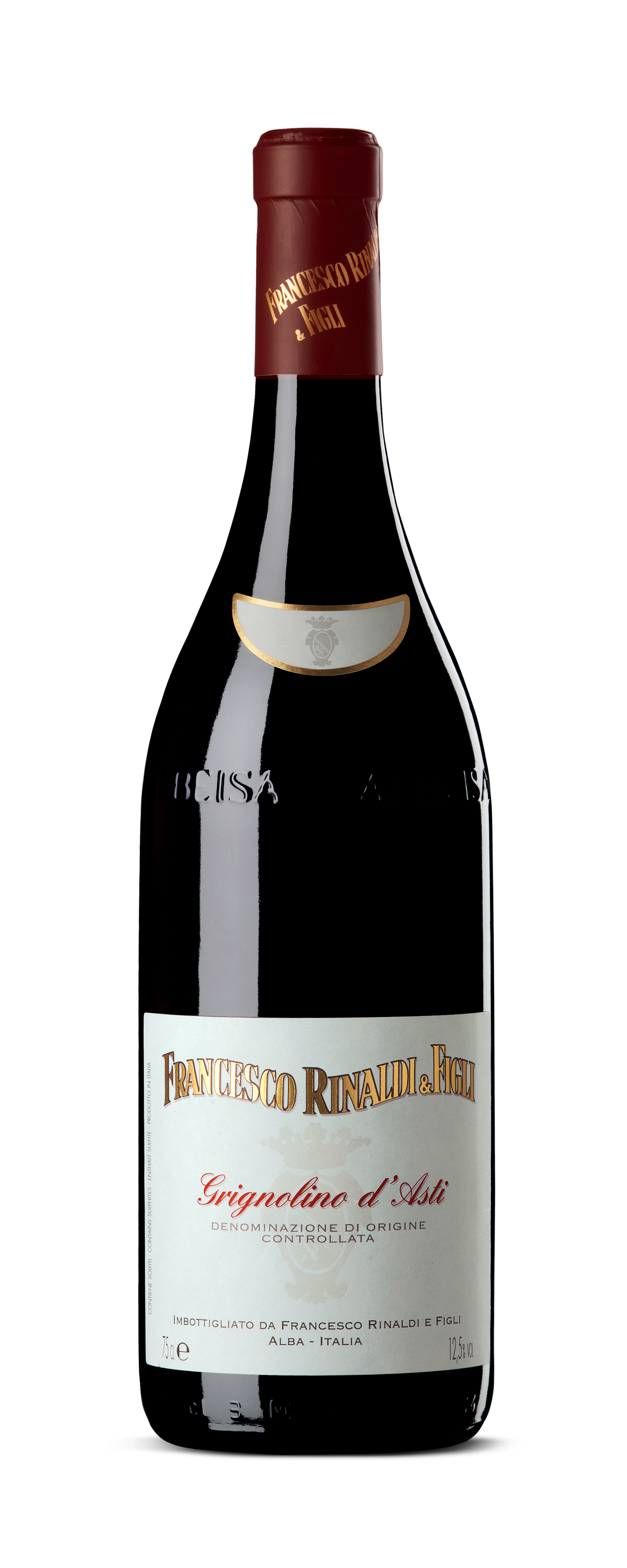
Piemonte is home to a number of grape varieties Dolcetto, Barbera, and Nebbiolo. Among these is also Grignolino, a local favorite in the region of Asti (about 25 miles northeast of Barolo). It is said that the origin of the funny sounding name of this

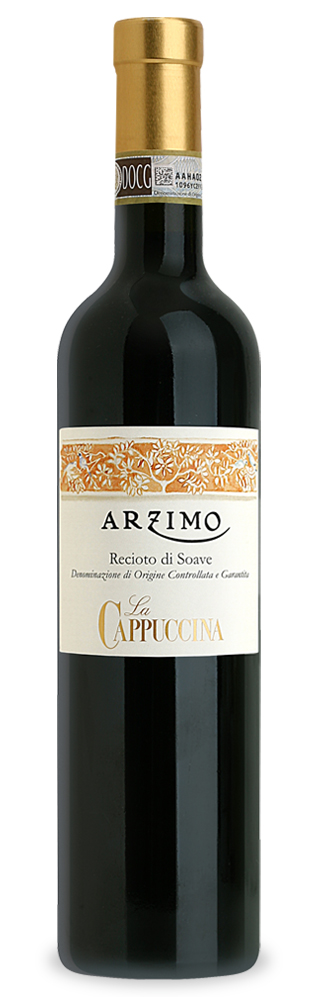
The name “Arzimo” comes from the local dialect arzimi is the name given to the finest, tiny bunches of Garganega – so sweet and perfect they had their own name. The grapes are left to semi-dry in well-ventilated lofts, following techniques that are amongst the