

Our producers’ wines reflect the authenticity and excellence that comes from generations of experience in the vineyard and in the cellar, together with an unwavering focus on quality.

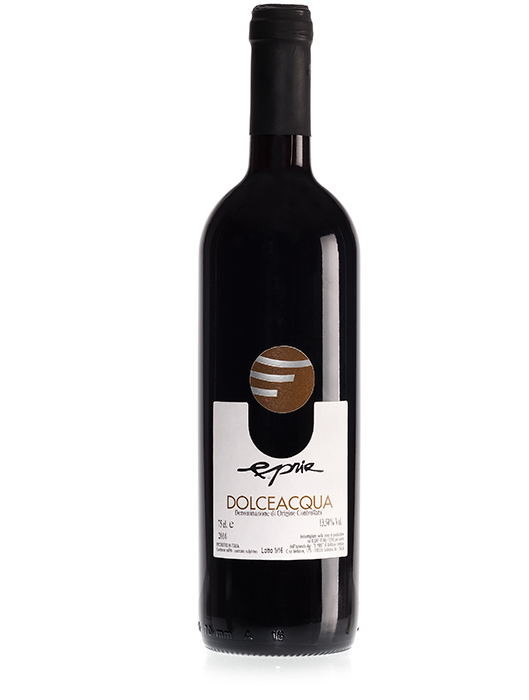
Rossese di Dolceacqua

Between the mountains and the sea, on Roman-built terraces that cling to the cliffs above the medieval village of Dolceacqua, Lorenzo Anfosso tends less than one hectare of vines — by hand, by foot, by sheer devotion. He started making wine at 18. This is what obsession tastes like.

Rossese — known as Tibouren just across the French border in Provence — is one of Italy’s most ancient and elusive grapes, and in Lorenzo’s hands it sings. Expect something unlike any red you’ve had before: light on its feet but alive with personality, briny and herbal on the nose, with wild red fruit, sun-dried flowers, garrigue, and a whisper of the sea on the finish. Silky, savory, and completely irresistible.

Appellation: Rossese di Dolceacqua DOC

Type: Red, dry

Blend: 100% Rossese (Tibouren)

Wine Details:

Tasting Notes:
Color: Brilliant ruby red with violet reflections, light in body and depth
Bouquet: Intensely aromatic — wild red cherry, dried rose petals, garrigue, sea breeze, and a distinctive savory, briny lift.
Palate: Light-bodied and silky, with fine tannins, vibrant acidity, and a long mineral finish. Notes of wild strawberry and herbs linger.
Alcohol: 13%
Serving Temperature: Chilled 14-16° C (57-61° F)
Food Pairing: a natural companion to the flavors of the Ligurian coast — serve alongside brothy fish stews, shellfish pastas, grilled branzino, or a plate of local salumi and fresh cheese. Its savory minerality and light body also make it surprisingly versatile with lighter game birds, rabbit, and herb-roasted vegetables. Serve with a slight chill for best results.

Vinyard Notes:
Vineyard Age and Yield: 32-year old vines; 60 hl/ha; hand-harvested.
Elevation: 250-300 meters abvove sea level.
Soil: Marl and schist terraces.
Farming Practices: Sustainable agriculture.  

Winemaking Notes:
Vinification and Aging: 30% of destemmed grapes and 70% as whole clusters, fermentation in steel tanks with indigenous yeasts for about 10 days, malolactic fermentation in steel as well. Production: 4,200 bottles.