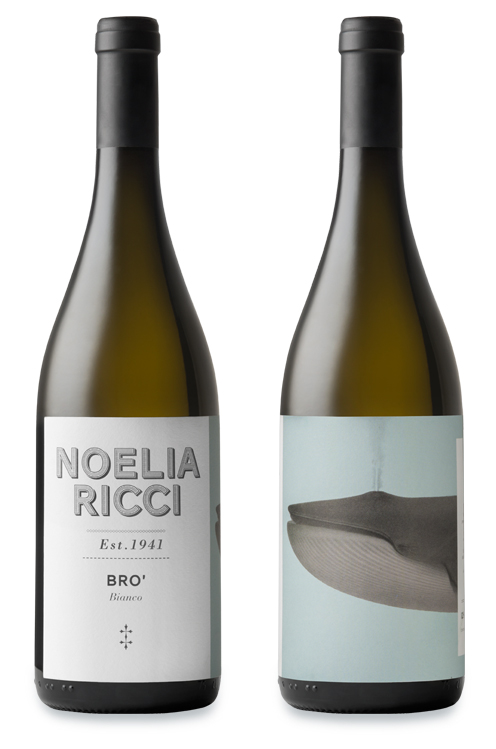
Romagna DOC Trebbiano Brò
Expressive, terroir-driven Trebbiano from the hills of Predappio in Romagna, grown on clay-limestone soils facing the Adriatic influence. A core part of Noelia Ricci’s internationally acclaimed focus on low-intervention, site-transparent wines that uniquely express the character of place.
Brò is Trebbiano at its best: mineral, textural, and deeply tied to its hillside Romagna origin, while still staying fresh and drinkable.
Appellation: Romagna DOC
Type: White, dry
Varietal: 100% Trebbiano: Trebbiano Romagnolo e Trebbiano di Spagna

Color: Straw yellow with golden reflections.
Bouquet: Delicate fruit scents, lemon zest, florals and citrus notes.
Palate: Opens with crisp, citrus-driven burst —lemon zest, green apple, and grapefruit—delivered with immediate lift from bright, linear acidity. The fruit is clean and precise rather than ripe or tropical.
Serving Temperature: Best served between 14°C and 16°C (57-60° F).
Food Pairing: Delicious with grilled branzino or sea bass, Oysters and raw shellfish, Shrimp scampi or garlic prawns, Clams with white wine and herbs, Fried calamari (the acidity cuts the richness perfectly), spaghetti alle vongole (clams), lemon pasta or pasta with olive oil, herbs, and Parmigiano-Reggiano, risotto with seafood or spring vegetables.
Vineyard Location: Fiumana di Predappio (Forlì, Italy).
Altitude: 200 meters above sea level
Soil type: Yellow clay soil with limestone and Sulphur minerals.
Plant density: 4.500 plants per hectare, with a Guyot training system.
Vinification: A focus on natural wine making and minimal intervention showcase the flavor of this wine. Fermentation is in stainless steel with controlled temperature. The maceration on a small amount of the grape-skins for 28 days and after malolactic fermentation.
Harvest: Manual, in the first week of September.
Yield: 9.000kg / hectare; 2 kg per plant.
Aging: 6 months on lees in stainless steel tanks with a small quote of skins and minimum 4 months in bottle.
Annual production: 10,000 bottles.