

Our producers’ wines reflect the authenticity and excellence that comes from generations of experience in the vineyard and in the cellar, together with an unwavering focus on quality.

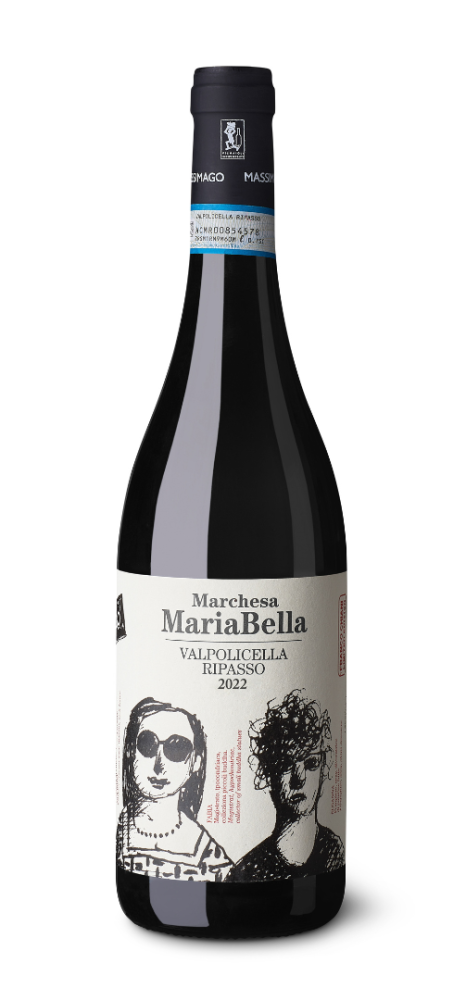
Valpolicella Ripasso Marchesa Mariabella

Marchesa Mariabella is a refined expression of Valpolicella Ripasso, combining the freshness of classic Valpolicella with the depth and richness gained through the traditional ripasso method. Crafted from Corvina, Corvinone, and Rondinella, it reflects both the elegance and structure of the Valpolicella hills in Veneto.

Winemaker Camilla Rossi-Chauvenet specifically enjoys the lush palate of “strawberries, candy orange zest provide a gift of fruit immediacy, which remind us of the first homemade cherry jam of the year.”

Appellation: Ripasso della Valpolicella DOC

Type: Red, dry.

Blend: Corvina, Corvinone, Rondinella.

Wine Details:

Tasting Notes:
Color: Deep ruby red in color.
Bouquet: Aromas of ripe cherry, black plum, red currant, and dried fruit layered with cocoa, sweet spice, and subtle floral notes.
Palate: The palate is medium to full-bodied, with smooth tannins, rich red and dark fruit, and a balanced structure leading to a long, warm finish.
Alcohol: 14%.
Sugar: 2.5 G/L
Serving Temperature: Chilled 16/18° C (60°/64° F)
Pairing: Excellent with roasted meats, braised beef, game dishes, pasta with ragù, mushroom risotto, and aged cheeses.

Vinyard Notes:
Location: Massimago estate.
Soil type: Mezzane di Sotto – Marly/clay soil.
Altitude: 100-400 Meters above sea level.
Density: 7,000 plants/hectare.
Training System: Guyot

Winemaking Notes:
Production: 25,000 bottles
Vinification and Aging: The fermentation and malolacric are carried out in steel tanks.  After several months, Amarone dried grapes are added to the wine to begin a second fermentation to enhance structure, complexity and alcohol content in the wine.  After raking the wine is aged 12 months in Tonneau and Oak casks, before another 12 months in the bottle for a final refinement.
Process and experimentation: Massimago limits the use of sulphites. Every year we start new experiments with the Oenology departments of the Universities of Milan and Conegliano (Padua).