

Our producers’ wines reflect the authenticity and excellence that comes from generations of experience in the vineyard and in the cellar, together with an unwavering focus on quality.

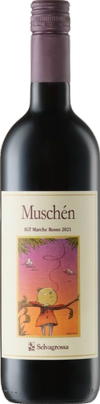
Marche Rosso Muschén

A juicy, coastal red from the hills of Le Marche just above the Adriatic, Muschen is all about freshness, energy, and drinkability. Crafted from organically farmed vineyards by the Taddei family, it bursts with red cherry, wild berries, Mediterranean herbs, and a subtle sea-breeze salinity that runs through the finish.

Muschen is a fruit-fly in the local dialect. This annoying little insect is also Alberto’s nickname! Light on its feet but full of character, this is the kind of red that disappears fast—serve it slightly chilled and let it shine with simple, flavorful food.

Appellation: Marche Rosso IGT

Type: Red, dry

Varietal: 50% Sangiovese, 30% Merlot and 20% Cabernet Franc

Wine Details:

Tasting Notes:
Color: Bright ruby red.
Bouquet: Red cherry, wild strawberry, cranberry, Mediterranean herbs, and subtle earthy spice.
Palate: Juicy and vibrant, showing lively acidity, soft tannins, and a distinct saline, mineral undertone. A savory finish adds depth and persistence while maintaining a fresh, coastal energy.
Pairing:  Best with simple, flavorful dishes like grilled sausages, roast chicken with herbs, or pizza and rustic tomato-based pastas where its bright acidity and juicy red fruit can cut through richness. It also pairs beautifully with lightly aged cheeses and Mediterranean fare, echoing its savory, coastal character and subtle herbal edge.

Vinyard Notes:
Production Area: Hills of Pesaro, 12 km east of the Adriatic coast.
Soil: Cabernet Franc and Merlot come from soils planted to clay and sand. Sangiovese is planted to limestone and sand: calcareous soils
Training System:Spurred cordon pruning
Density: 6,900 vines per hectare
     

Winemaking Notes:
Vinification: The grapes are de-stemmed and the must is punched down. Temperature control fermentation is at 22-24 degrees Celsius. There is a four day maceration after fermentation. Vinification takes place in 50 to 80 hl stainless steel vats with the possibility of thermal conditioning of the fermentation process.  The wine remains on the lees in stainless steel tanks for three months. It's then blended and bottled by the end of May/ beginning of June. There is no oak.
Aging: After malolactic fermentation in steel, the wine is immediately bottled to maintain its distinctive freshness
Annual production: Varies by vintage, but is typically only a few hundred cases annually.