

La Cappuccina
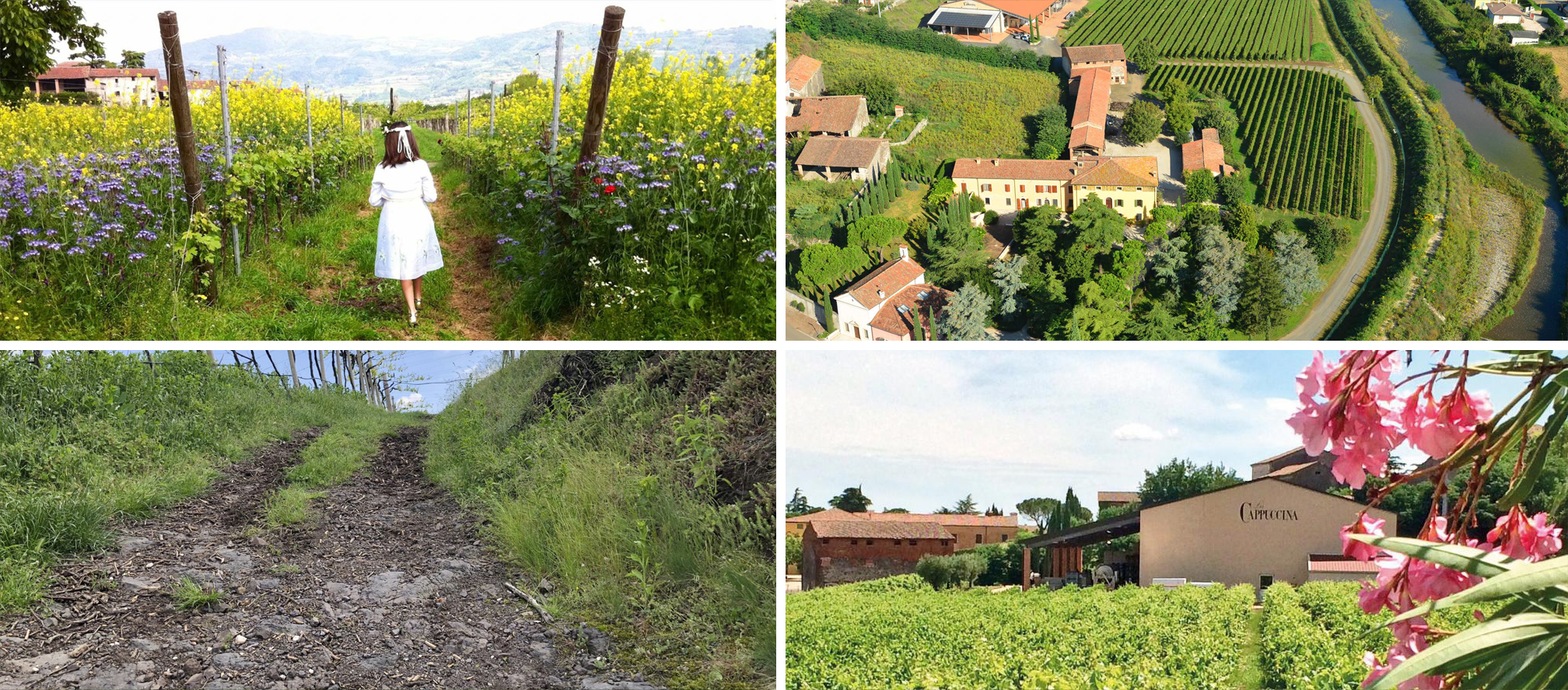
In the volcanic hills of Soave, between Verona and Venice, there’s a winery named after a chapel — and a family that was farming organically before most of the wine world knew the word.
The story begins in 1890, when the Tessari family started making wine at Costalunga di Monteforte d’Alpone, in the heart of the Soave country. Their land came with history built in: the elegant Villa Buri Tessari, raised around 1650 by the noble Buri counts, and beside it a little chapel dedicated to Saint John the Baptist, where Capuchin friars once prayed. The friars gave the estate its name — La Cappuccina — and the chapel’s silhouette still graces every label today.
But the real revolution came in 1985. Long before organic was a movement, the Tessari family converted everything — vine to bottle — to organic farming, earning La Cappuccina its reputation as one of Italy’s true organic pioneers. Forty years on, that early conviction reads like prophecy. The land repays the faith. Here, Garganega vines dig their roots into black basalt — the volcanic bones of ancient lava flows — and give Soave of striking minerality and freshness. In autumn, curtains of grapes hang drying in the fruttaio, slowly concentrating into golden dessert wines, while below, the barrel cellar is carved directly into the basalt rock. Alongside the whites, the family coaxes character from reds like Carmenère, Merlot, and the rare Oseleta.
Today the fourth generation shares the work the way siblings do: Sisto, the agronomist, walks the basalt hills; Pietro, the oenologist, commands the cellar; and Elena throws open the doors of the frescoed villa to welcome visitors from around the world.

Getting There: