

Graci
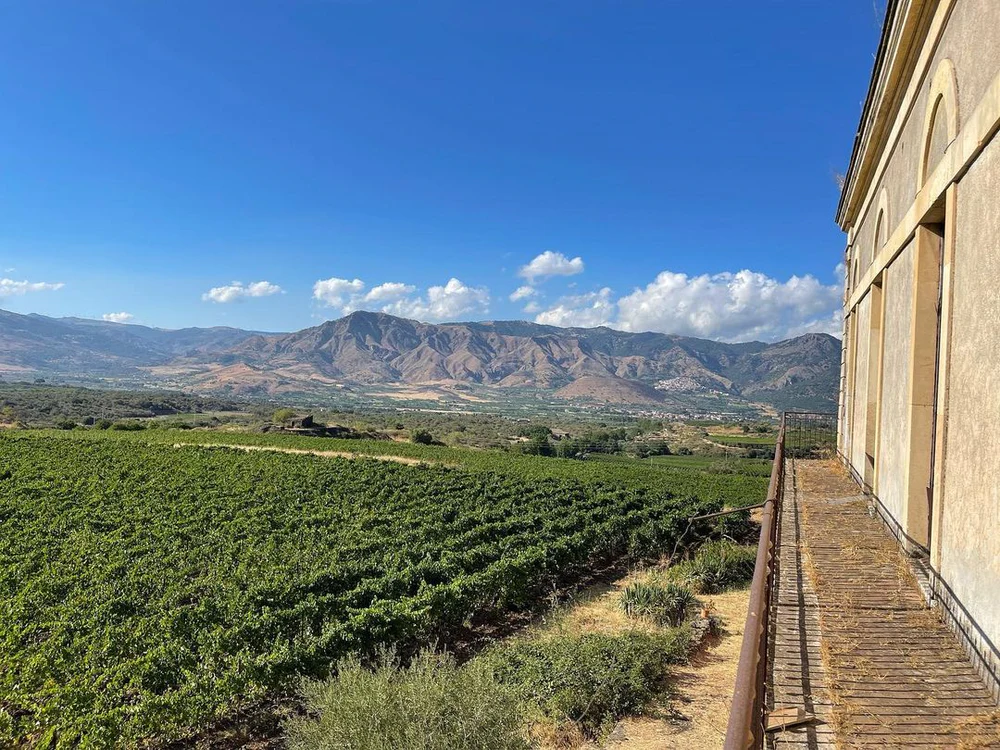
On the northern slope of Mount Etna, where vineyards climb between 600 and 1,000 meters above sea level on soils born of lava and ash, Graci has become one of the defining voices of Sicily’s most celebrated wine region.
The estate’s story begins in 2004, when Alberto Aiello Graci left a career in Milanese banking and returned to his native Sicily following the death of his grandfather, a winemaker from the island’s interior. Rather than continue in the family’s old vineyards, Alberto sold that land and staked his future on Etna — at the time a region in decline, its steep terraced slopes largely abandoned. His timing proved visionary. Alongside a small group of pioneers, Graci helped ignite the renaissance that has made Etna one of Italy’s most compelling fine-wine appellations.
Today the estate is centered in Contrada Arcurìa at Passopisciaro, with holdings in some of the mountain’s most prized contrade, including Barbabecchi, where ungrafted, pre-phylloxera vines — some more than a century old — thrive at 1,000 meters in mineral-rich volcanic sand. Graci works exclusively with Etna’s indigenous varieties: Nerello Mascalese and Nerello Cappuccio for the reds, Carricante and Catarratto for the whites. Farming is as natural as possible, with no herbicides and planting densities reaching 10,000 vines per hectare in the traditional free-standing alberello style.
In the cellar, the philosophy is one of restraint. Fermentations rely on indigenous yeasts, often without temperature control, in concrete and large neutral oak casks that preserve the transparency of each site rather than imposing a winemaking signature. The results are wines of remarkable finesse — pale, perfumed, mineral-driven reds often likened to great Burgundy, and saline, energetic whites that capture the tension of high-altitude volcanic terroir.